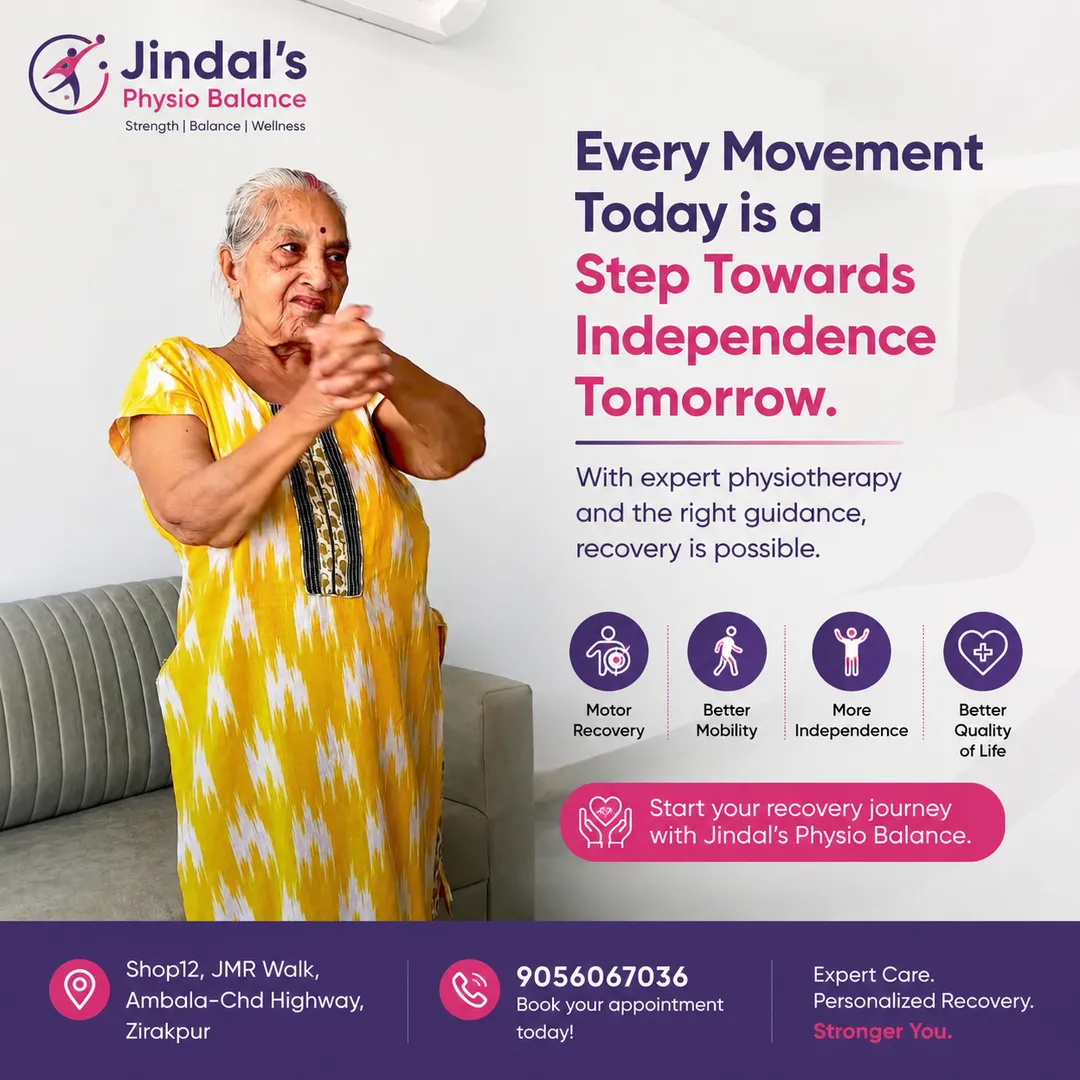
A stroke can change a person's life within seconds. It may affect movement, balance, speech, memory, swallowing, vision, and the ability to perform daily activities independently. While the journey after a stroke can feel overwhelming, it is important to remember that recovery is possible. With timely medical care, consistent physiotherapy, and family support, many stroke survivors regain significant independence and improve their quality of life.
One of the most common questions asked by stroke survivors and their families is, 'How long does stroke recovery take?' The answer is different for everyone. Recovery depends on several factors, including the type of stroke, the area of the brain affected, the severity of damage, age, overall health, and how early rehabilitation begins.
Recovery starts immediately after emergency medical treatment. However, recovery isn't just about healing the brain—it involves retraining the body and brain to work together again.
Recovery include improvements in:
Walking
Standing balance
Arm and hand function
Speech and communication
Swallowing
Memory and attention
Daily activities like dressing, bathing, and eating
Confidence and emotional well-being
Common Challenges During Stroke Recovery
Every stroke survivor's journey is unique.
Some common challenges include:
Muscle Weakness -- Weakness often affects one side of the body, making walking and daily activities difficult.
Balance Problems -- Poor balance increases the risk of falls and limits independence.
Spasticity -- Some muscles become stiff and overactive, making movement difficult.
Shoulder Pain -- Shoulder subluxation and improper handling can cause significant pain.
Hand Dysfunction -- Fine motor skills often recover more slowly than walking.
Fatigue -- Stroke-related fatigue is common and may persist for months.
Cognitive Problems
Some patients experience difficulties with:
Memory, Attention, Planning, Problem-solving, Emotional Changes
Depression and anxiety are common after stroke and should be addressed as part of rehabilitation.
If you or your loved one has experienced a stroke, don't wait to begin rehabilitation. Early intervention and consistent physiotherapy can make a significant difference in recovery outcomes.
Contact Jindal's Physio Balance today to schedule a comprehensive stroke rehabilitation assessment and take the first step toward rebuilding strength, improving mobility, and regaining independence.
One of the most common questions asked by stroke survivors and their families is, 'How long does stroke recovery take?' The answer is different for everyone. Recovery depends on several factors, including the type of stroke, the area of the brain affected, the severity of damage, age, overall health, and how early rehabilitation begins.
Recovery starts immediately after emergency medical treatment. However, recovery isn't just about healing the brain—it involves retraining the body and brain to work together again.
Recovery include improvements in:
Walking
Standing balance
Arm and hand function
Speech and communication
Swallowing
Memory and attention
Daily activities like dressing, bathing, and eating
Confidence and emotional well-being
Common Challenges During Stroke Recovery
Every stroke survivor's journey is unique.
Some common challenges include:
Muscle Weakness -- Weakness often affects one side of the body, making walking and daily activities difficult.
Balance Problems -- Poor balance increases the risk of falls and limits independence.
Spasticity -- Some muscles become stiff and overactive, making movement difficult.
Shoulder Pain -- Shoulder subluxation and improper handling can cause significant pain.
Hand Dysfunction -- Fine motor skills often recover more slowly than walking.
Fatigue -- Stroke-related fatigue is common and may persist for months.
Cognitive Problems
Some patients experience difficulties with:
Memory, Attention, Planning, Problem-solving, Emotional Changes
Depression and anxiety are common after stroke and should be addressed as part of rehabilitation.
If you or your loved one has experienced a stroke, don't wait to begin rehabilitation. Early intervention and consistent physiotherapy can make a significant difference in recovery outcomes.
Contact Jindal's Physio Balance today to schedule a comprehensive stroke rehabilitation assessment and take the first step toward rebuilding strength, improving mobility, and regaining independence.
Keywords